In a small yard with a short frost-free window, a raised bed is less a decorative choice than a practical one. Contained soil warms earlier in spring, drains more predictably than heavy native ground, and keeps a defined growing area separate from the paths and seating that surround it.
Why raise the soil
Three things tend to make raised beds worthwhile in colder regions:
- Earlier warming. Soil lifted above grade is exposed on more sides and tends to reach workable temperatures sooner.
- Drainage control. Where native soil is clay-heavy or compacted, an imported mix gives roots a looser zone.
- Defined edges. In a compact plan, a hard edge keeps the growing area from spilling into the walking area.
Depth and footprint
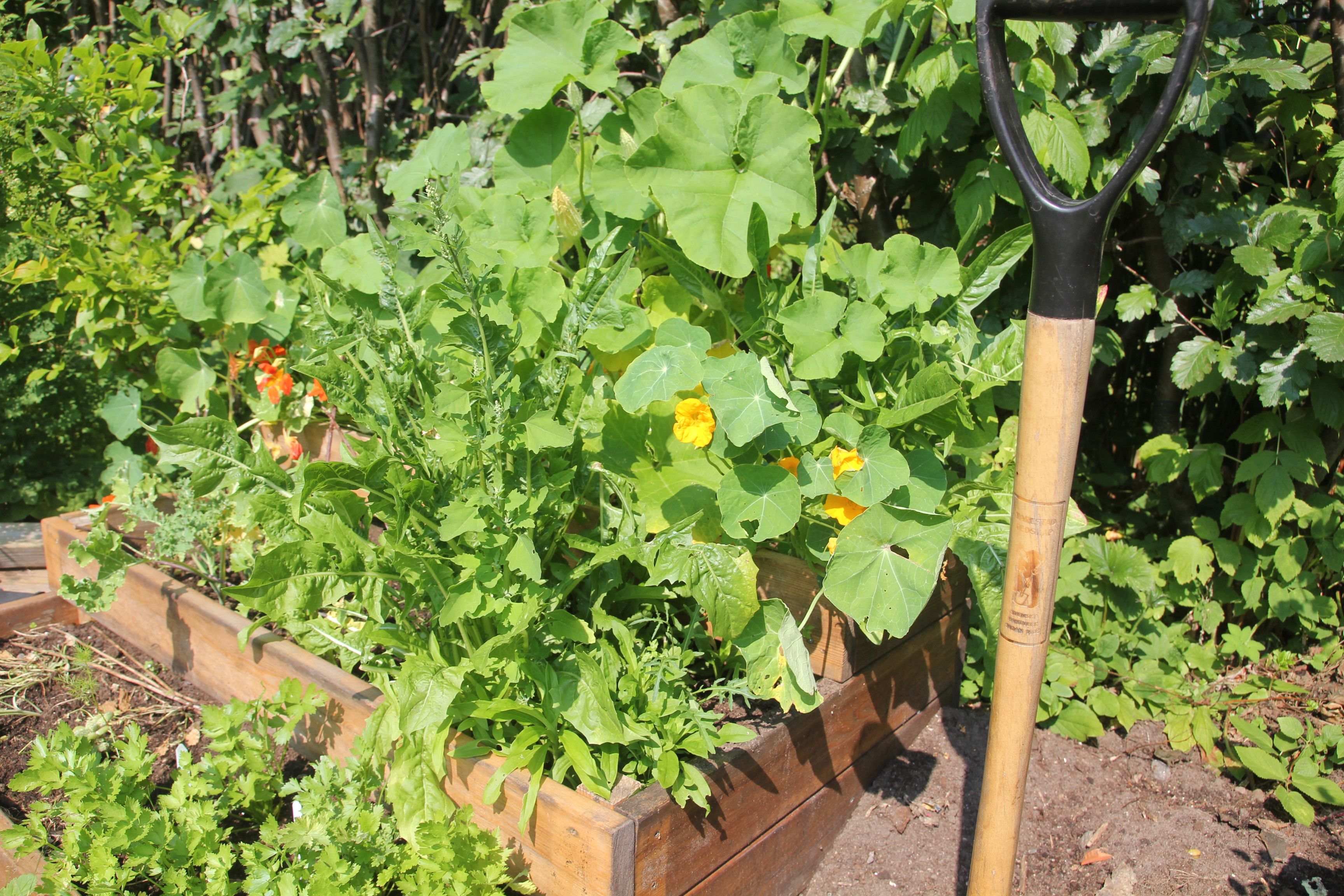
Reach, not appearance, sets the width. A bed accessible from one side only should be narrow enough to reach the back without stepping in; a bed reachable from both sides can be wider. Depth depends on what you grow: shallow-rooted greens and herbs are content with a modest depth, while root crops and deeper perennials appreciate more.
Materials and frost
Repeated freeze-thaw cycles are the main stress on a raised bed's structure. Rigid frames can heave or bow over winters if corners are weak, so joinery and anchoring matter more in cold regions than in mild ones.
| Material | Strength | Cold-climate note |
|---|---|---|
| Untreated timber | Workable, warm look | Will weather and eventually rot at the soil line; plan for replacement |
| Metal | Long-lived, slim profile | Conducts cold; corners need to resist heave |
| Stone or block | Permanent, heavy | Needs a stable base below the frost line to avoid shifting |
Filling the bed
A raised bed is only as good as what goes in it. A common approach is a free-draining blend of quality topsoil and well-rotted compost, topped up annually as the level settles. Avoid filling a deep bed entirely with pure compost, which can slump and stay too wet.
Expect the soil level to drop over the first season as organic matter settles and breaks down. Budgeting a top-up of compost each spring keeps the bed at working height without a full refill.
Winter behaviour
Because their sides are exposed, raised beds freeze harder and faster than ground-level soil, which is worth remembering for any perennials left in them. A mulch layer over dormant plantings, applied after the ground has begun to freeze, helps moderate the freeze-thaw swings that damage roots.
The same exposure that warms a bed early in spring works against it in a hard winter — match the planting to that reality.
For confirming frost dates and hardiness ratings before planting perennials in a bed, consult the Government of Canada plant hardiness resources. Next, see native plants for small Prairie gardens, or revisit planning a compact Canadian yard for where the bed sits in the overall layout.