
Planning a Compact Canadian Yard
Turning a small, awkward lot into zoned space: measuring, mapping sun and wind, and deciding what to leave out.
Read the article →Zenolinlo collects working notes on laying out small residential gardens in cold and short-season climates — how to fit beds, paths, seating and growing space into a few hundred square feet without crowding any of them.

A limited footprint and a limited frost-free window change the priorities. These are the recurring themes across the articles.
Walking routes, a sitting spot and growing beds are sketched first. Plant lists come after the structure is settled.
Canada's plant hardiness zones range widely; a sheltered city courtyard can read a zone warmer than the open lot next door.
Where native soil is heavy or frost-heaved, contained beds give a faster, more controllable root zone.
Regionally native perennials and grasses tend to handle local winters and pollinator needs with less intervention.
In a tight plan, a path is also a sightline and a frost-free standing area. Material and width are deliberate choices.
Spring prep, summer maintenance and fall cut-back are sequenced around a frost-free period that may last only a few months.
Turning a small, awkward lot into zoned space: measuring, mapping sun and wind, and deciding what to leave out.
Read the article →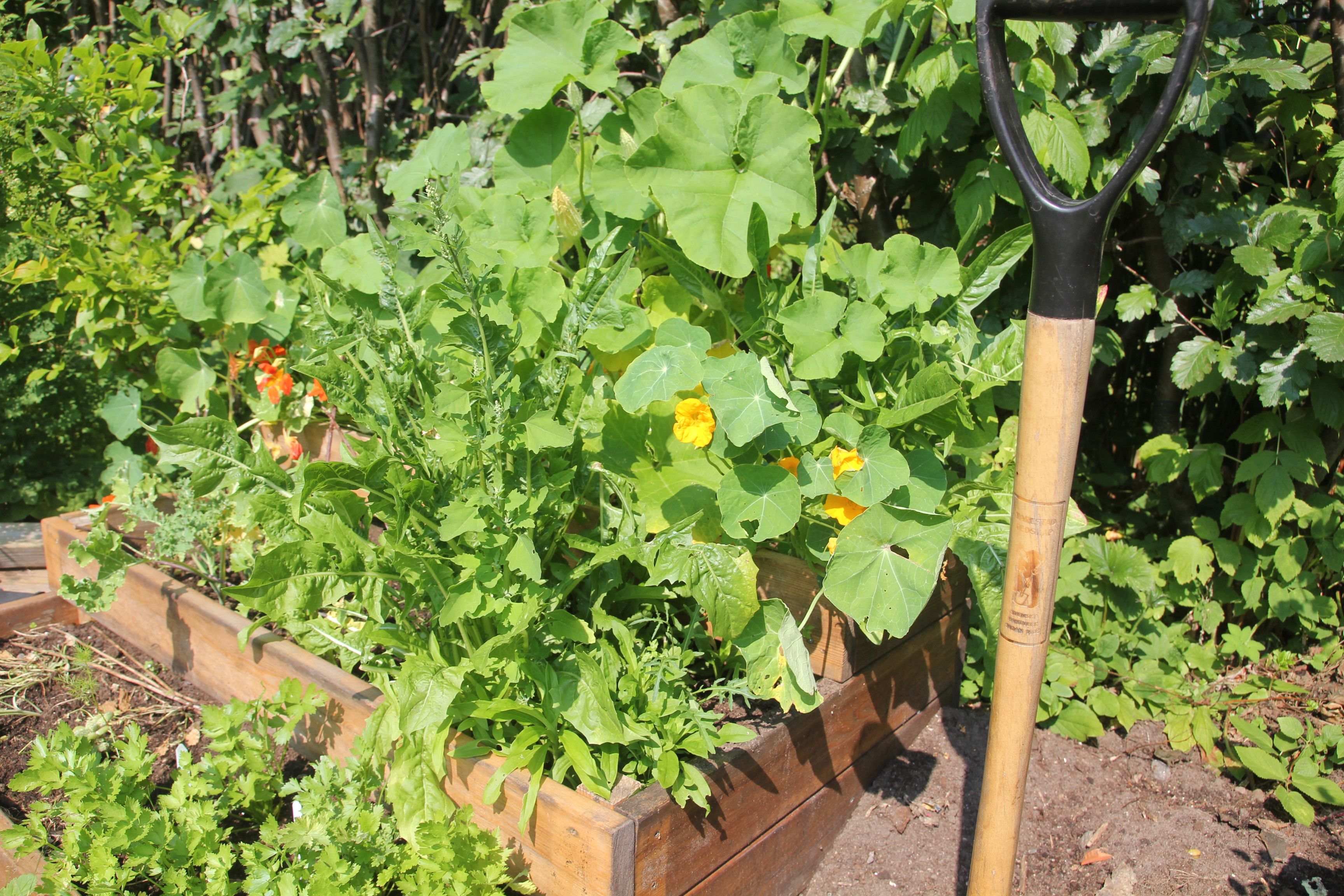
Why contained beds suit short seasons and heavy soils, how deep to build, and how frost shapes the materials.
Read the article →
Choosing regional perennials and grasses that hold a small bed together through a Prairie winter.
Read the article →For figures that change by location — hardiness zone, last-frost dates, regulated species — these public sources are the ones consulted rather than reproduced here.
The national plant hardiness zone maps and species models. planthardiness.gc.ca
Regional native plant guidance for gardens and pollinators. cwf-fcf.org
Questions about a specific article, a correction, or a regional detail we should reference? Use the form below.